
Best Time to Visit Tuscany: Seasons, Weather & What No One Tells You
In Tuscany, the light changes everything. In spring, the hills are vibrant lime-green and dotted with wildflowers; summer turns them gold and hazy. Autumn brings the grape harvest, the smell of crushed olives, and that soft golden glow photographers dream about. I’ve been in every season — even in January, when you can have medieval towns almost to yourself — and the truth is, there’s no single “perfect” month.
If you’re planning your trip and wondering when to go, here’s the honest breakdown: what each season looks and feels like, what’s happening across the region, and the little downsides no one ever mentions.
This guide is part of my Italy Travel Guides Series, which brings together what to see, where to go, and how to plan your time.
This article may contain affiliate links. If you book through them, I may earn a small commission at no extra cost to you.

Quick Answer: The Best Time to Visit Tuscany at a Glance
If you want that sweet spot of sunshine, good food, and fewer crowds, May and September are hard to beat. The weather is warm but not stifling, vineyards are buzzing with activity, and you can still find quiet corners in Florence or Siena before the summer rush hits.
But there’s more than one “best time” — it just depends on what kind of trip you’re dreaming of:
- 🌷 Spring (March–May) – Fresh, green, and full of flowers. Ideal for sightseeing and day trips.
- ☀️ Summer (June–August) – Hot, lively, and full of festivals — best for beach breaks and long evenings.
- 🍂 Autumn (September–November) – Tuscany at its most romantic, with harvests, truffles, and golden hills.
- ❄️ Winter (December–February) – Quiet towns, cozy meals by the fire, and bargain hotel deals.

Average Weather in Tuscany- season-by-season guide
Month | Avg Temp (°C) | Rainy Days | Crowds | Best For |
|---|---|---|---|---|
Jan | 7 | 8 | 👣 Low | Winter calm, museums |
Feb | 9 | 7 | 👣 Low | City breaks, truffle dishes |
Mar | 12 | 8 | 🙂 Moderate | Spring blooms starting |
Apr | 15 | 9 | 🙂 Moderate | Wildflowers, Easter festivals |
May | 20 | 7 | 😎 Busy | Perfect balance of warmth & crowds |
Jun | 24 | 5 | 😎 High | Long days, village festivals |
Jul | 28 | 3 | 🧳 Peak | Beach time, sunflower fields |
Aug | 29 | 4 | 🧳 Peak | Coastal escapes, hot cities |
Sep | 24 | 6 | 🙂 Moderate | Harvest season, golden light |
Oct | 19 | 8 | 🙂 Moderate | Truffles, vineyards, soft sunsets |
Nov | 13 | 9 | 👣 Low | Quiet towns, olive harvest |
Dec | 9 | 8 | 👣 Low | Christmas markets, cozy stays |
Spring in Tuscany (March–May)
Spring in Tuscany feels like the whole region is waking up. The air is perfumed with wisteria, vineyards wake up with bright green leaves, and local markets overflow with fresh artichokes and asparagus. You can explore all day, then wind down with a glass of Chianti as evening settles in.
March can still feel cool, especially in the evenings, but it’s perfect for museums and quiet city walks. April brings fields of poppies and local celebrations — Easter processions in Florence, flower festivals in Lucca, and early wine tastings across Chianti. By May, Tuscany hits its stride: cafés spill onto sunny piazzas, the hills glow with wildflowers, and countryside drives are at their most scenic.
Why you’ll love it:
- The landscapes are green, lush, and uncrowded — perfect for photography and walks.
- Mild temperatures (around 15–22°C) make sightseeing effortless.
- Lower hotel prices before the summer rush.
Things to keep in mind:
- Rain showers are frequent, especially in April.
- Pool season doesn’t start until late May.
- Easter week brings a short but noticeable spike in visitors.
🏛️ Planning a Florence getaway?
Check out 25 Things to Do in Florence That Totally Live Up to the Hype — plus find your perfect base with Where to Stay in Florence and more insider guides to Italy’s Renaissance gem.

Summer in Tuscany (June–August)
By summer, Tuscany is buzzing. The days are long and golden, vineyards are heavy with grapes, and every village seems to have a festival — from medieval parades in Siena to open-air concerts in Florence. It’s the season for late-night dinners under the stars, beach escapes along the Etruscan Coast, and lazy afternoons that somehow stretch into evening.
June feels like the sweet spot, warm but not yet scorching. July and August bring serious heat — 30°C or more isn’t unusual — so plan sightseeing early in the morning and save the afternoons for pool time or a shaded trattoria lunch. Coastal towns like Viareggio and Castiglione della Pescaia are packed with Italian holidaymakers, while inland cities can feel quiet as locals head for the sea.
It’s a great time for long drives through the countryside, stumbling upon small-town sagre (food festivals), and soaking up Tuscany’s festive side. Just expect crowds — and book early if you’ve got your heart set on a particular agriturismo or villa.
Why it’s worth the trip::
- Endless blue skies and warm evenings — Tuscany at its sun-soaked best.
- Peak festival season, including Siena’s legendary Palio horse race.
- Perfect time for beach trips, pool days, and alfresco dining.
Little downsides:
- Expect high prices and busy roads in July and August.
- Afternoon heat can be intense — plan around it.
- Some local businesses close for holidays in mid-August (Ferragosto).
Ready to explore more?
Plan your perfect day trip or weekend escape with my Best Things to Do in Siena, Italy (2025 Guide) — medieval streets, hidden squares, and that unforgettable Piazza del Campo vibe.

Autumn in Tuscany (September–November)
Autumn in Tuscany is pure magic. The hills turn gold and rust-red, the scent of crushed grapes drifts through the air, and the crowds of summer slowly fade away. It’s harvest time — when wine cellars buzz with activity, olive presses start rolling, and truffle hunters head into the woods.
September is one of the most beautiful months to visit. The heat softens but the days stay warm, making it ideal for drives through the Val d’Orcia or lazy lunches in vineyard courtyards. By October, the landscape deepens into rich autumn tones, and village markets brim with chestnuts, mushrooms, and just-pressed olive oil. November feels quieter, a time to cosy up by the fire with a glass of Brunello and watch mist curl through the valleys.
This is the season that rewards slowing down — fewer tourists, incredible food, and that golden Tuscan light photographers dream about.
Why you’ll love it:
- The vineyards, truffle fairs, and harvest festivals make it the ultimate foodie season.
- Comfortable temperatures around 18–24°C and fewer crowds.
- Gorgeous colours and soft light — perfect for photography.
What’s not so perfect:
- Some smaller wineries and hotels close by mid-November.
- Days get shorter, and rain showers are more common.
- Countryside nightlife winds down — great for peace, not for parties.
🍷 Don’t miss this! Discover the top Winery Tours from Florence: The Best Tuscan & Chianti Wine Experiences — sip, swirl, and explore Italy’s most scenic vineyards.

Winter in Tuscany (December–February)
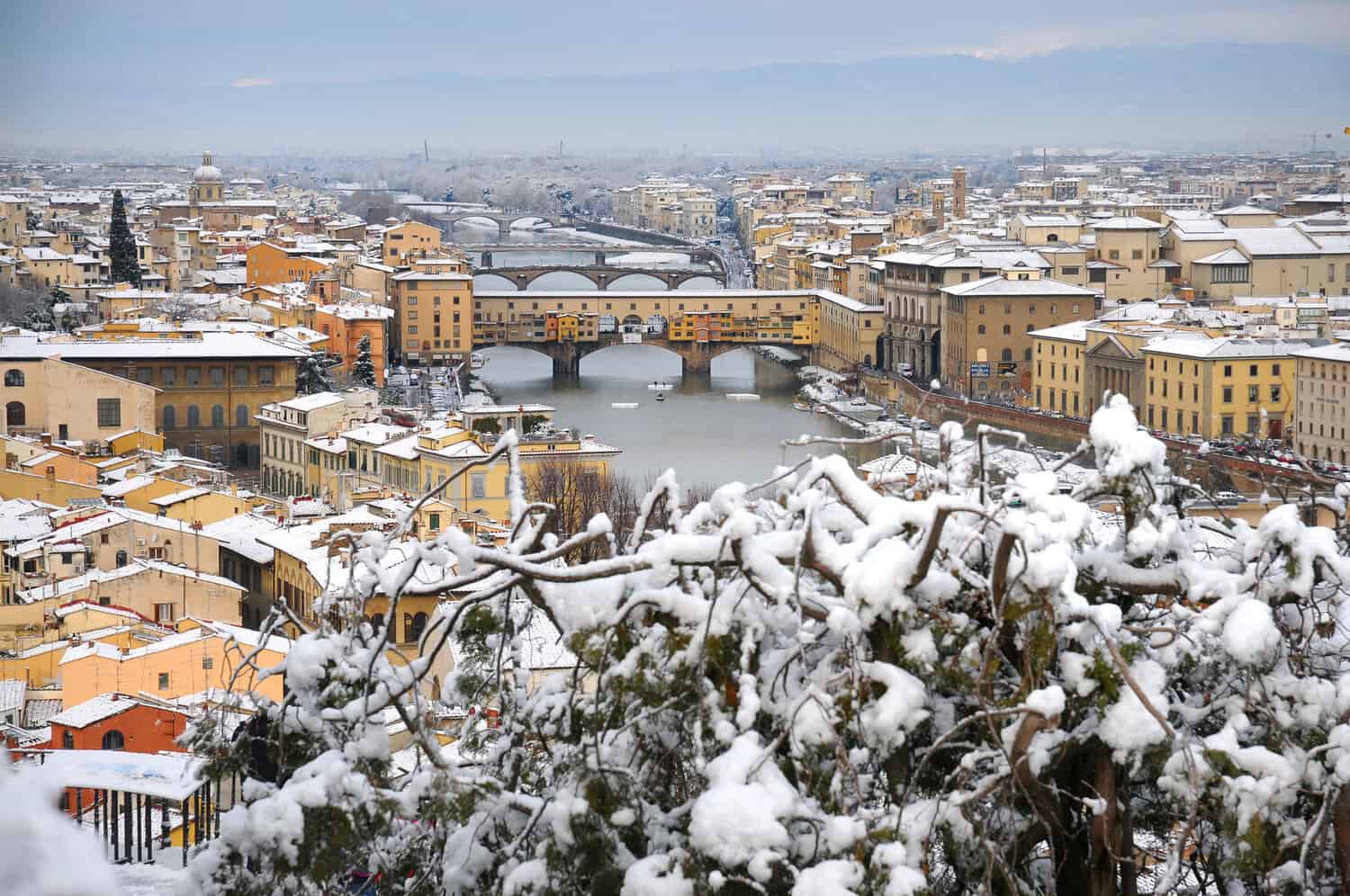
Winter in Tuscany often slips under the radar, but it’s surprisingly charming. Towns glow with Christmas lights, shop windows fill with panettone and wine hampers, and local trattorias serve hearty bowls of ribollita that warm you from the inside out. Florence and Siena feel quieter, giving you space to really enjoy their museums and festive markets.
December brings a cozy, festive energy — perfect for soaking up seasonal traditions. January and February are the quietest months of the year; you’ll find excellent hotel deals and far fewer tourists. It’s a great time for exploring the cultural side of Tuscany or settling into a countryside farmhouse for a slow few days of cooking classes, wine tastings, or simply enjoying the fire crackling in the corner.
What you’ll enjoy most:
- Christmas markets and light displays in Florence, Siena, and Montepulciano.
- Lower prices on accommodation and car hire.
- Peaceful towns and a genuine local feel.
Worth knowing:
- Days are short, and many vineyards or rural hotels close for winter.
- Temperatures dip to 7–10°C on average — expect crisp mornings.
- Some countryside transport routes run on reduced schedules.
Best Time for Food & Wine Lovers
If you plan your trip around food and wine (and really, how could you not?), autumn is Tuscany’s most delicious season. September and October bring the grape harvest, olive picking, and truffle hunting — it’s when the region feels most connected to its roots. Farmers’ markets overflow with seasonal produce, and local sagre (food festivals) pop up everywhere, celebrating everything from chestnuts to pecorino cheese.
That said, spring also has its culinary charms. Fresh artichokes, asparagus, and strawberries arrive at markets, and outdoor dining returns to piazzas across the region. Even summer has its moments — it’s the best time for long evening meals under the stars, often paired with live music or local wine tastings.
Season highlights:
- September–October: Wine harvest in Chianti and Montalcino, truffle fairs in San Miniato.
- November: Olive harvest and new oil festivals (Festa dell’Olio Nuovo).
- April–May: Spring produce markets and early wine events.
- July–August: Outdoor dining, food festivals, and gelato season in full swing.
A few trade-offs:
- Some wineries close briefly after the autumn harvest.
- Truffle season draws crowds in certain areas — especially San Miniato.
- Summer heat can dull appetites for heavy Tuscan dishes (but never for gelato).

Best Time for Sightseeing & Photography
Tuscany is photogenic year-round, but each season brings its own palette. Spring gives you soft green hills, wildflowers, and clear blue skies — the kind of light that makes even the smallest village look cinematic. Summer is vibrant and bold, all sunflowers and golden wheat fields under endless sunshine. Autumn is every photographer’s dream: rolling hills brushed in bronze and crimson, morning mist hanging low over the vineyards. Even winter has its quiet magic, especially in medieval towns like San Gimignano and Volterra, where the pale light and empty streets make for moody, timeless shots.
For sightseeing, spring and autumn win hands down. The temperatures are comfortable, and you can explore Florence’s museums, Siena’s piazzas, and the hill towns without breaking a sweat. Roads are calmer, parking is easier, and there’s space to breathe — something you’ll appreciate once you’ve navigated Florence in July.
Why it’s worth the trip:
- Gorgeous light and vivid landscapes in spring and autumn.
- Fewer crowds at popular spots like Pisa and Florence.
- Easier driving and walking conditions without summer heat.
Before you go:
- Some country roads can get foggy early in the morning during autumn.
- Expect mid-day glare in summer — plan photography for golden hour.
- Winter daylight hours are shorter, so start exploring early.

So, When Is the Best Month to Visit Tuscany?
It depends on what you want from your trip — but if you’re after that perfect balance of weather, scenery, and manageable crowds, May and September are the clear winners. In May, the hills are bright green, wildflowers are everywhere, and the days feel longer and made for exploring. September, on the other hand, brings the golden glow of harvest season, mellow temperatures, and the kind of light that makes every photo look like a postcard.
If you’re more into food than going to the beach, October and November are a dream — think truffles, chestnuts, and new olive oil. For quiet city breaks, winter gives you space to really enjoy Florence, Siena, and Lucca without the queues. And if you love the buzz of summer, June delivers that sunny, energetic Tuscan vibe (just bring sunscreen and patience).
In short, there’s no wrong time to visit — Tuscany just changes character with the seasons. Go once, and you’ll probably find yourself planning a return trip in a different month just to see how it feels.

Unique Tours Worth Booking in Tuscany
If you’d rather leave the driving to someone else, these top-rated Tuscany tours are the easiest way to see more in less time
- 🍷 Florence: Chianti Wineries Tour with Wine Tasting – Visit two family-run wineries in the Chianti Hills, sample DOCG reds, and learn the art of Tuscan winemaking.
- 🏛️ From Florence: Tuscany Day Trip with Lunch at a Chianti Winery – Explore Siena, San Gimignano, and Pisa, then enjoy a traditional Tuscan lunch and wine tasting at a vineyard.
- 🌻 From Florence: Val d’Orcia Tour with Wine Tasting – Wander through Pienza, Montepulciano, and Montalcino — postcard-perfect towns paired with world-class Brunello wine.
- 👩🍳 Florence: Tuscan Cooking Class with Market Visit – Shop at a local market with your chef, then learn to make handmade pasta and tiramisu in a countryside villa.
- 🎈 Tuscany: Sunrise Hot Air Balloon Ride – Float over vineyards, olive groves, and medieval villages as the sun rises over the hills — an unforgettable start to the day.
FAQs About the Best Time to Visit Tuscany
What is the best month to visit Tuscany?
May and September are generally considered the best months to visit. You’ll get warm but comfortable weather, fewer crowds than summer, and landscapes at their most beautiful — green and vibrant in May, golden and mellow in September.
Is Tuscany too hot in summer?
July and August can get very hot, often reaching 30–35°C. It’s fine if you plan to spend time by the coast or have a pool, but sightseeing in the middle of the day can be exhausting. Start early, rest in the afternoon, and head out again in the evening.
What’s Tuscany like in winter?
Winter is quiet and atmospheric. Expect temperatures around 7–10°C, shorter days, and fewer tourists. Many agriturismi close, but cities like Florence, Siena, and Lucca stay lively and make great bases for off-season travel.
When is the wine harvest in Tuscany?
The grape harvest (known as vendemmia) usually takes place between mid-September and early October. It’s a great time to visit wineries, attend local festivals, and taste new vintages fresh from the barrel.
What’s the rainiest month in Tuscany?
October and November tend to be the wettest months, though showers can appear in April too. The good news is that rain rarely lasts all day — it’s often a quick downpour followed by sunshine.
Is spring a good time to visit Tuscany?
Yes! Spring is wonderful for exploring the countryside before it gets busy. Expect mild weather, blooming wildflowers, and plenty of local festivals. Just bring a light jacket for the occasional shower.
Tuscany changes with every season — green and lively in spring, sun-soaked in summer, golden in autumn, and calm in winter. Each brings its own mood, its own reasons to visit, and a few surprises along the way. Choose the one that suits your style, pack an appetite, and let Tuscany do the rest.
Keep Exploring Italy
From sun-soaked coastlines to hilltop towns and hidden foodie gems, Italy never stops surprising you. Dive into more guides and discover where to go next.
Tuscany
- 🍷 25 Things to Do in Tuscany – Wine, hill towns, and golden countryside adventures in Italy’s most timeless region.
Florence
- 🏨 Where to Stay in Florence – Area guide for art lovers, foodies, and wanderers.
- 🎨 25 Things to Do in Florence That Totally Live Up to the Hype– From masterpieces to markets and mouth-watering eats.
🔗 See all my posts on Florence →
Rome
- 🏨 Where to Stay in Rome – Find your perfect base in the Eternal City.
- 🍝 The Ultimate Food Lover’s Guide to Rome – 15 must-try dishes you can’t miss.
- 🏛 What to Do in Rome for First-Timers – Unforgettable experiences in the heart of history
- 🔗 See all my posts on Rome →
Venice
- 🏨 Where to Stay in Venice – Area guide to the city’s most atmospheric neighbourhoods.
- ⛵ The Best Way to Spend a Day in Venice – The perfect 24-hour itinerary.
- 🔗 See all my posts on Venice →
Milan
- 🏙 18 Interesting Things to Do in Milan – 2025 update for the style capital of Italy.
More on Amalfi Coast
Sorrento & Positano
- 🌊 23 Epic Things to Do in Sorrento – Coastal charm, day trips, and lemon groves.
- 🌅 Iconic Things to do in Positano: The Ultimate Guide to Italy’s Amalfi Coast Gem– From beach lounging to boat trips.
🔗 See all my posts on the Amalfi Coast →
General Italy
Need a reminder? Pin IT!


